

Choosing Between VRF and Chilled Water for Large Projects in West Africa

Share this article

Key Takeaway


VRF (Variable Refrigerant Flow) systems are ideal for multi-zoned developments like luxury hotels, high-end residential towers, and corporate office spaces requiring independent room control, phase-by-phase installation, and high partial-load energy efficiency. Chilled Water systems (Hydronics) excel in ultra-large, single-load facilities such as shopping malls, convention centers, or industrial complexes with massive, continuous cooling demands.

Choosing Between VRF and Chilled Water for Large Projects in West Africa


The Strategic Climate Decision for West African Developers


When designing large-scale commercial developments in Nigeria and across West Africa, selecting the right central cooling architecture is one of a developer's most critical financial and engineering decisions. Operating in tropical environments like Lagos or Abuja means managing extreme ambient temperatures, high humidity, power grid fluctuations, and elevated energy costs.

To maximize indoor comfort and safeguard long-term return on investment (ROI), consultants and building owners must look beyond initial hardware costs and evaluate complete climate ecosystems. Two primary technologies dominate the modern commercial landscape: Variable Refrigerant Flow (VRF) and Chilled Water Systems (Hydronics).


1. Direct Comparison: VRF vs. Chilled Water
Evaluation Criteria Variable Refrigerant Flow (VRF) Chilled Water Systems (Chillers)
Ideal Property Types Luxury hotels, multi-tenant offices, residential complexes, hospitals. Shopping malls, international airports, industrial plants, stadium facilities.
Zoning & Comfort Control Superior: Independent temperature and fan speed control per room or zone. Centralized: Best suited for large, continuous open-plan cooling loads.
Energy Performance Exceptional Partial-Load Efficiency: Inverter compressors scale power to exact demand. High Full-Load Efficiency: Highly economical during constant, peak-capacity operation.
Installation & Footprint Compact & Modular: No heavy plant room; smaller refrigerant piping runs. Heavy Infrastructure: Requires a dedicated central plant room, heavy pumps, and insulated pipes.
Water Dependency Zero Water Use: Direct expansion refrigerant system. Water-Reliant: Requires steady water supply and regular chemical treatment.
Lifecycle Maintenance Streamlined: Modular units allow isolated servicing without total building downtime. Complex: Requires dedicated plant engineers and ongoing water treatment management.
2. When to Choose VRF Systems
 

VRF systems circulate refrigerant directly from an outdoor unit to multiple indoor units, precisely adjusting the flow based on real-time cooling demands in each zone.

  • Independent Multi-Zone Comfort: In luxury hotels or multi-tenant commercial towers, different occupants require different climate settings. Mitsubishi Electric VRF technology allows precise, quiet cooling in individual rooms, ensuring unoccupied spaces do not waste power.
  • Eliminating Water Risk: VRF systems operate entirely without water as a heat transfer medium. In cities where reliable water infrastructure and chemical treatment supplies are inconsistent, VRF removes a major operational risk factor.
  • Phase-Based Project Delivery: For commercial developments built or leased in phases, VRF systems offer modular installation. Outdoor and indoor units can be commissioned floor-by-floor as occupancy grows, optimizing cash flow for developers.

3. When to Choose Chilled Water Systems

Chilled Water plants use central chillers to cool water, which is then pumped through air handling units (AHUs) and fan coil units (FCUs) across the property.

  • Massive, Uniform Cooling Loads: For sprawling developments with high, constant foot traffic—such as shopping malls or exhibition halls—centralized chillers deliver uncompromised economy of scale at full load.
  • Extended Piping Networks: In large horizontal campuses or multi-building developments, chilled water can be piped over significantly longer distances than standard refrigerant lines.
 
4. Protecting Performance in Tropical Climates


Regardless of whether your project calls for VRF or Chilled Water, system longevity in West Africa depends heavily on post-installation support. High humidity and saline atmospheric conditions in coastal areas accelerate corrosion on coils, electrical controls, and mechanical components.

At Mitsufeel, we do not view air conditioning as a simple hardware purchase. We design complete, high-performance cooling ecosystems powered by world-class Mitsubishi Electric engineering, backed by proactive preventive maintenance, original spare parts, and dedicated on-ground technical support across Nigeria and Africa.

 
Design Your Project’s Cooling Ecosystem


Evaluating an upcoming commercial or hospitality development? [Contact Mitsufeel’s CVC Engineering Team] to model your building's heat load and determine the most efficient technology for your long-term operational success.

Recent Posts

Modern facility with advanced air conditioning systems.
August 26, 2026
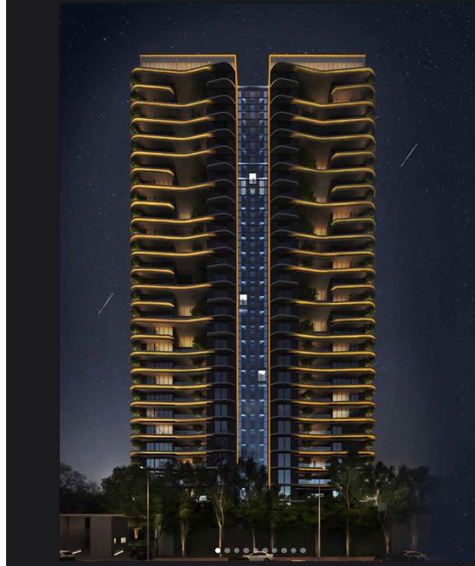
A luxury residential development served by Mitsubishi Electric City Multi VRF, with 125 outdoor units connected to 575 indoor units. This project uses Mitsubishi Electric City Multi VRF technology, engineered for reliable performance and supported through installation and beyond.
August 25, 2026
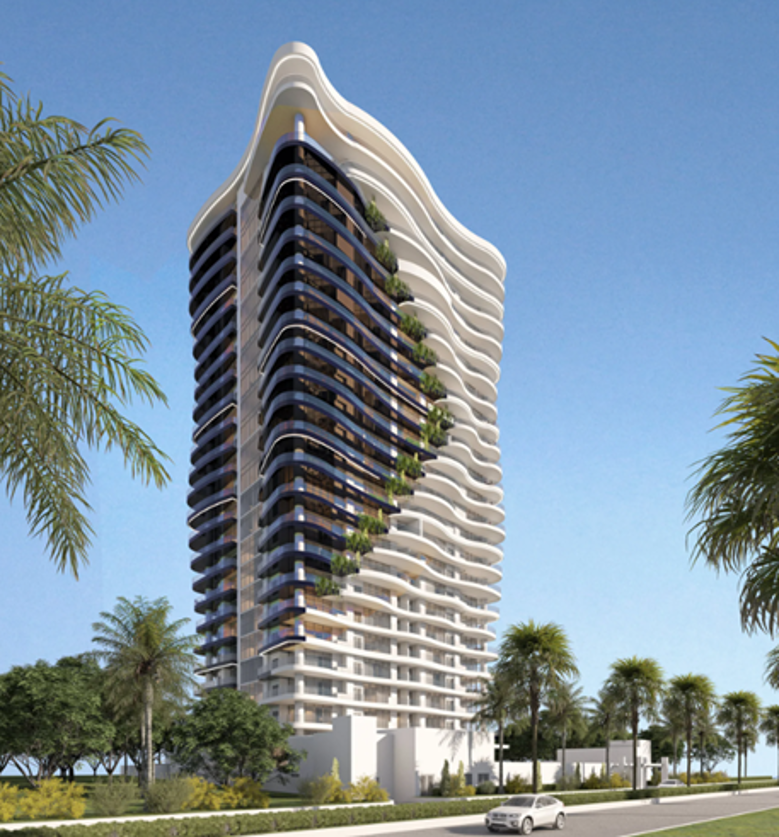
A luxury residential tower in Ikoyi served by City Multi VRF, with 91 outdoor units connected to 410 indoor units. This project uses Mitsubishi Electric City Multi VRF technology, engineered for reliable performance and supported through installation and beyond.
August 24, 2026
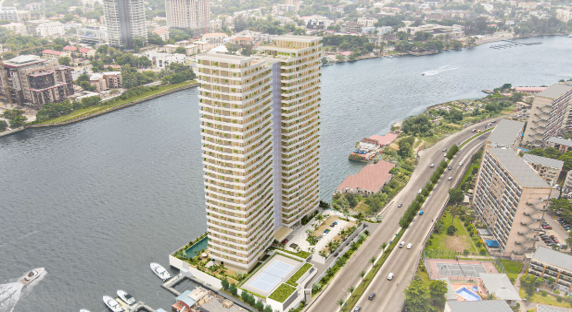
Luxury residential towers cooled with City Multi VRF, with 113 outdoor units connected to 545 indoor units. This project uses Mitsubishi Electric City Multi VRF technology, engineered for reliable performance and supported through installation and beyond.
August 21, 2026
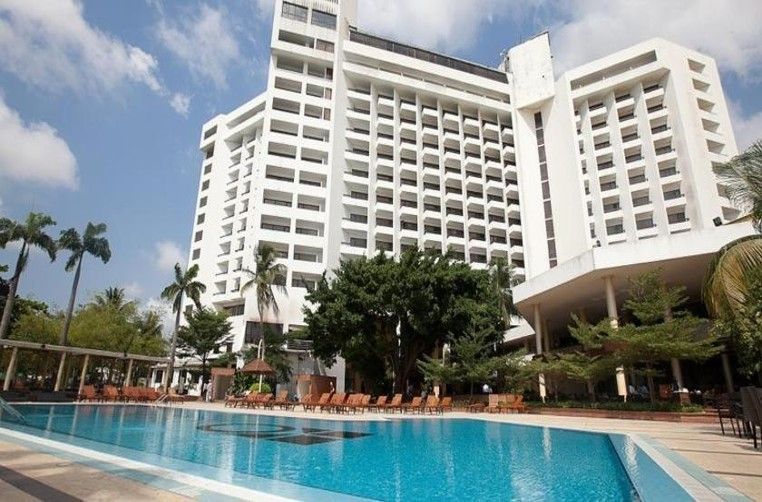
A hotel cooled with chillers, heat pumps, air-handling units, and fan-coil units. This project uses Mitsubishi Electric chiller technology, engineered for reliable performance and supported through installation and beyond.
August 20, 2026
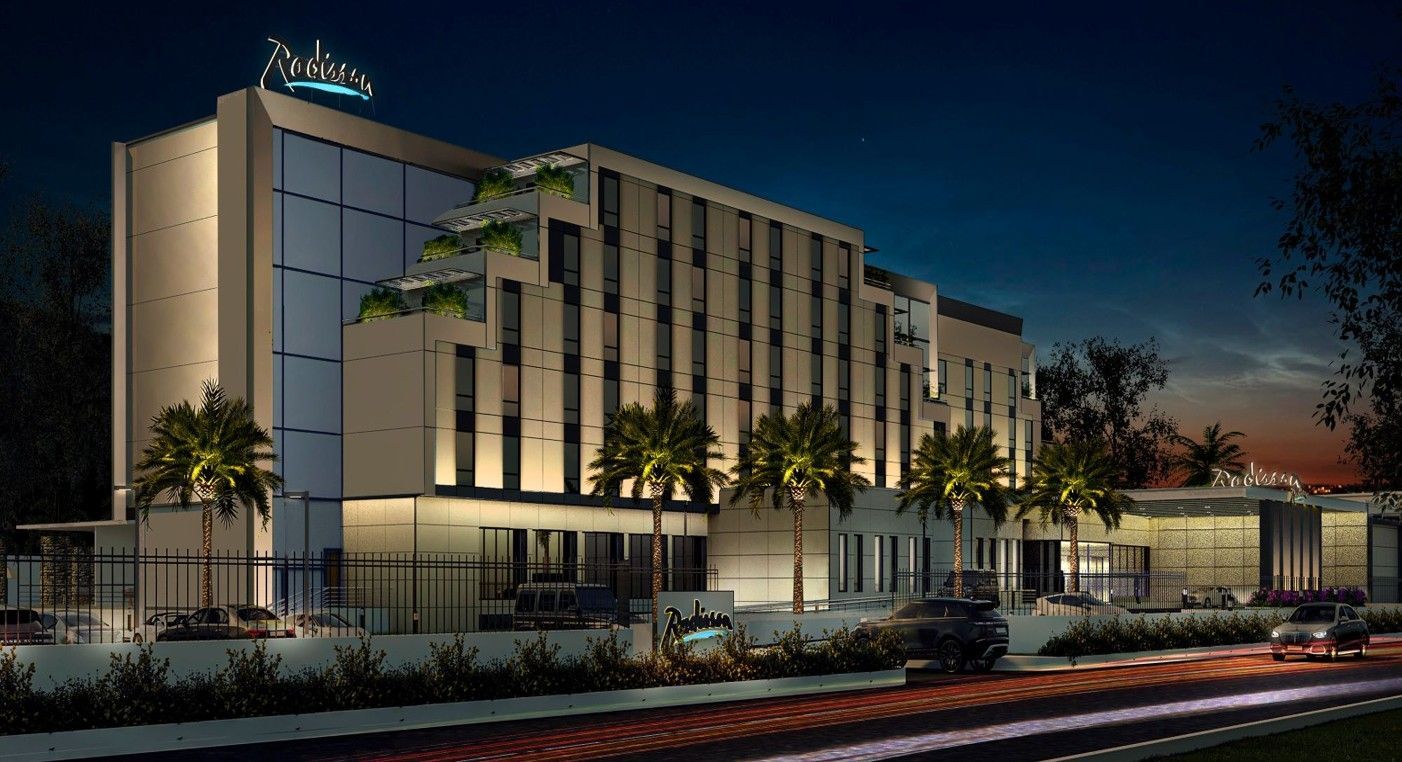
A hotel in Benin, Edo State, served by City Multi VRF with 52 outdoor units, 226 indoor units and 5 air handling units.  This project uses Mitsubishi Electric City Multi VRF technology, engineered for reliable performance and supported through installation and beyond.
August 19, 2026
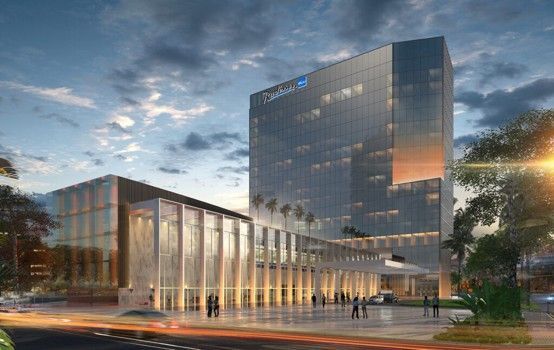
A hotel in Abuja cooled with City Multi VRF, with 40 outdoor units connected to 210 indoor units. This project uses Mitsubishi Electric City Multi VRF technology, engineered for reliable performance and supported through installation and beyond.
August 18, 2026
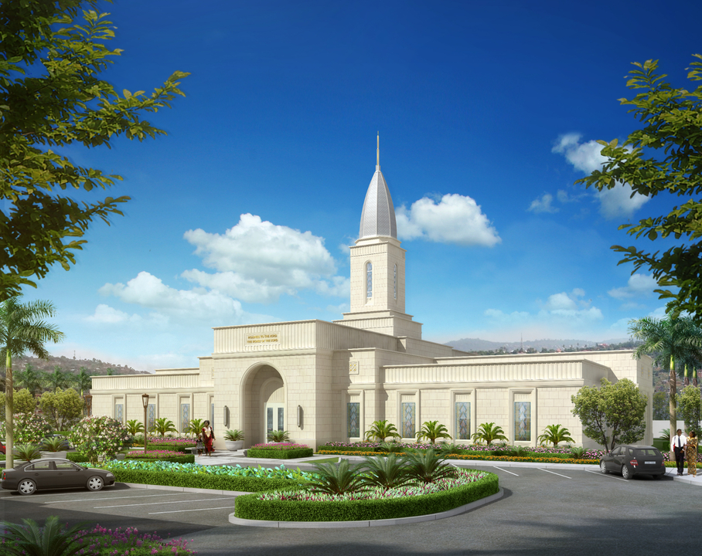
A temple in Freetown is cooled with a Mitsubishi Electric VRF system. This project uses Mitsubishi Electric VRF technology, engineered for reliable performance and supported through installation and beyond.
August 17, 2026
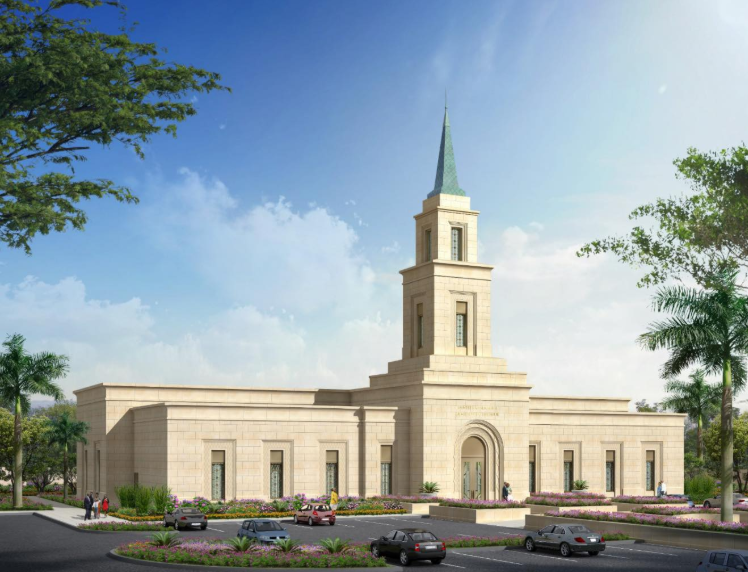
A temple in the DRC is cooled with a Mitsubishi Electric VRF system. This project uses Mitsubishi Electric VRF technology, engineered for reliable performance and supported from installation through ongoing service.
August 14, 2026
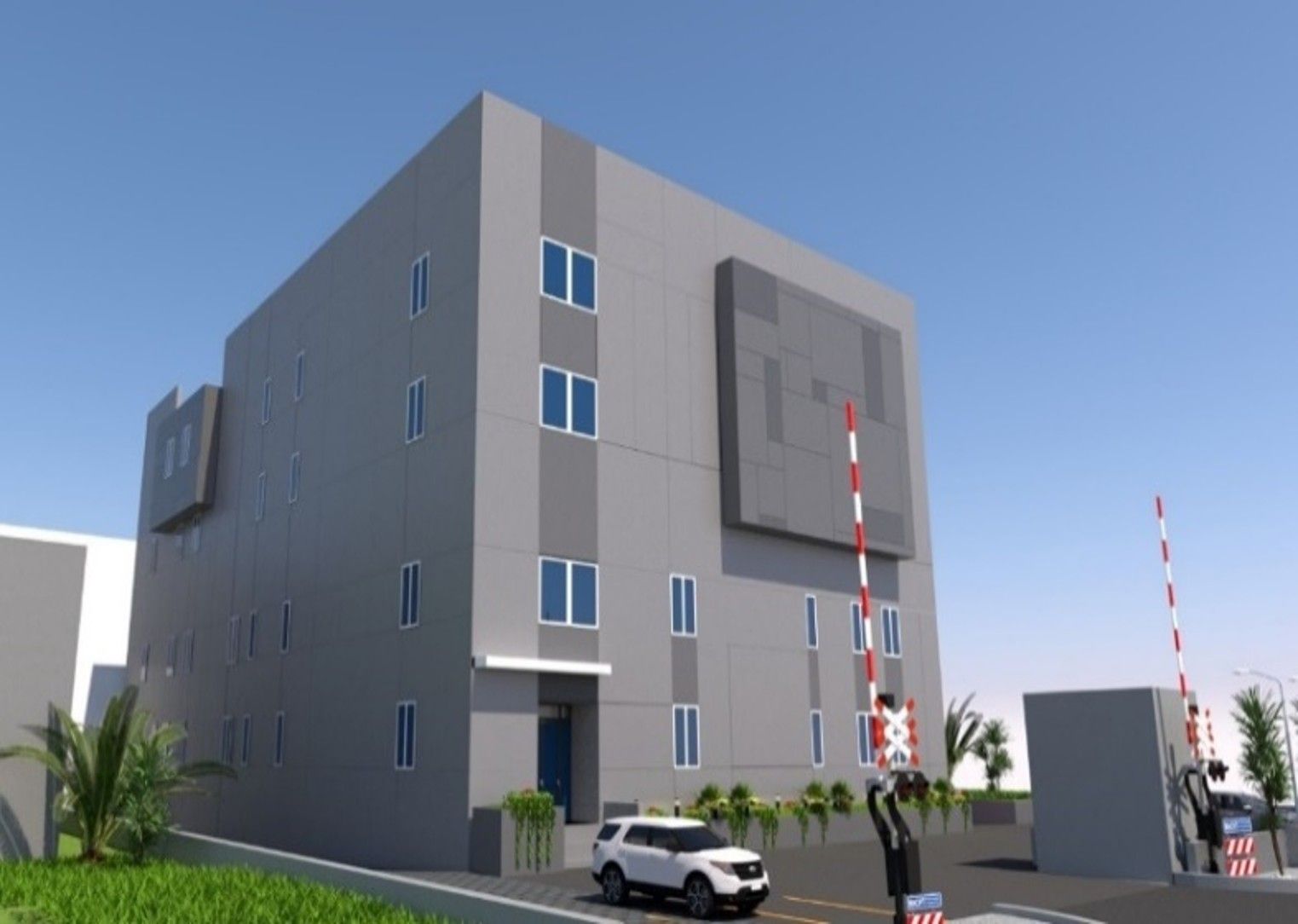
Broadcast news studios in Eko Atlantic are cooled with chillers, air handling units, and fan coil units. This project uses Mitsubishi Electric Chillers technology, engineered for reliable performance and supported through installation and beyond.
August 13, 2026
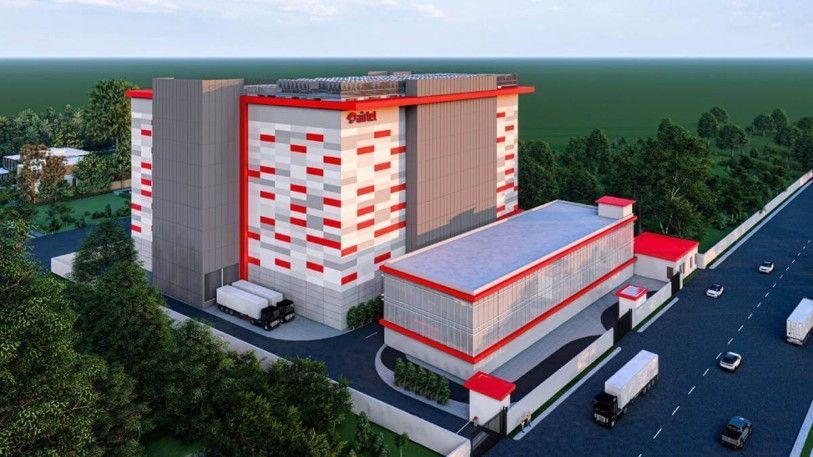
A data centre cooled with Mitsubishi Electric IT cooling systems.  This project uses Mitsubishi Electric IT Cooling technology, engineered for reliable performance and supported through installation and beyond.
Show More